Your Custom Text Here
Core Strength: More Than the Abs
How strong is your core? Did you just suffer a flashback of sit-ups combined with an internal sigh of how you should do more of them? I have great news for you....you don't need to do crunches to strengthen your core! There is an overemphasis in popular culture that a strong core=strong abs, but this is an outdated view.
What is the core?
I see the core as much more than abs--it's all of the muscles that keep us upright. As we're typically seated, hunched over a screen or steering wheel in the 21st century, the back muscles, pelvic floor (including the butt muscles) and diaphragm are aspects of the core we need to focus on. These other areas help support our spine, encourage good posture as well as give us full breath.
A fascial approach to the core.
When I'm assessing what areas need attention in a client's body, I'm always thinking about fascial, or connective tissue, lines. This means that an area where you feel tension could actually be originating from another spot in the body on a particular fascial line. So it's not always about muscle strength or weakness, but rather, what areas of the body are locked short and which areas are locked long. In other words, what areas need more length and which need more tone? If we take this global apporach to posture, most adults are locked short in the front from being hunched over and locked long, fascially, in the back. So why would we do a ton of sit-ups or flexion-based exercises thinking we're strengthening our core?!

Pilates and the core.
I love Pilates, otherwise I wouldn't have been certified to teach it, yet I feel like the method overemphasizes working the core in spinal flexion (the spine is bent over in a "C" shape). Moreover, much of Pilates is done while laying down, which is great for feeling core connections, yet there needs to be a functional application since we don't go about our day lying down. Joseph Pilates created his method several generations ago when our day-to-day lives were very different. I think an updated approach to his program means building back strength first, which passively stretches that front fascial line, making us straighter. Then, we can look at an abdominal or front-body approach to the core once those muscle tissues are not locked short and scrunched.
A unique approach to core strength.
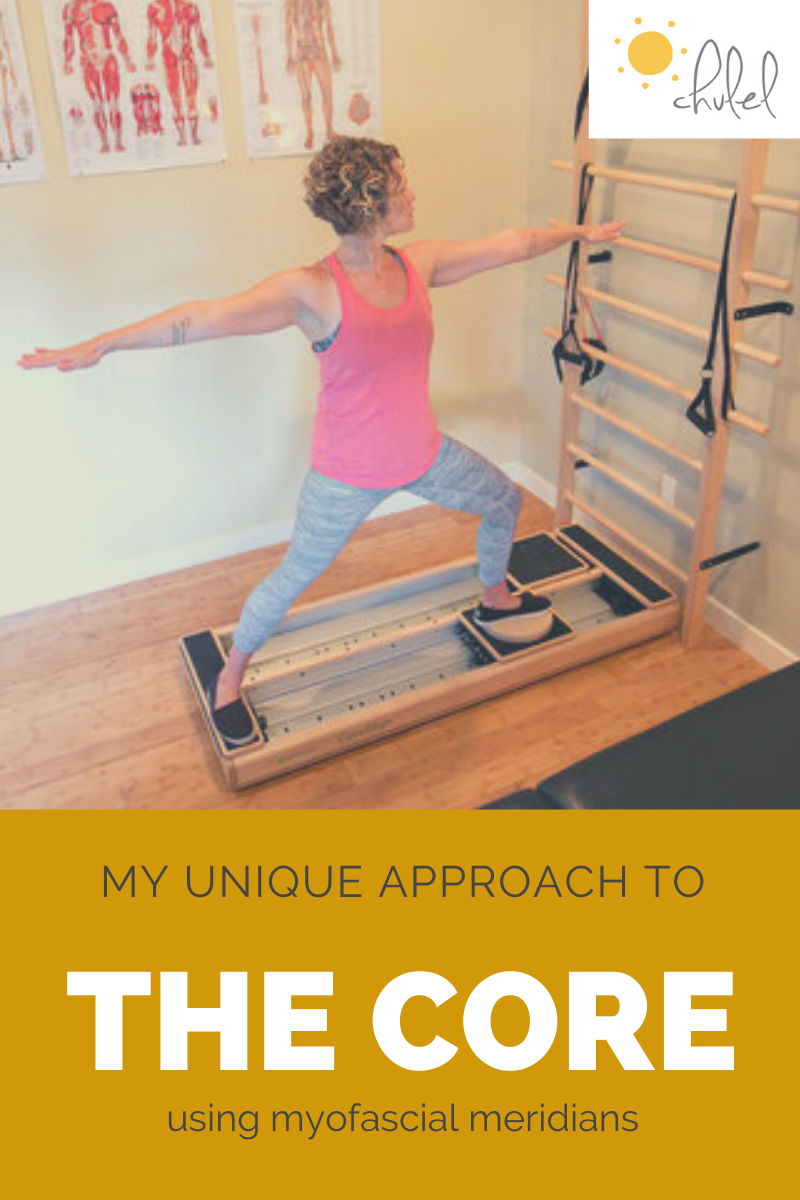
I have my clients do a lot of work that hones in on the diaphragm and pelvic floor as a part of building their core. We also do a lot with the upper back muscles to pull the shoulders out of kyphosis (being rounded forward). I do this with some unique props that force you to balance while working your core and a piece of equipment that incorporates standing movmements so you're learning how your core supports you while upright and walking. This approach is not only more functional, it's more fun!
For the month of January I'm offering a special package for new clients. If you know you need to build core strength but don't know how or want to experience something new, you can learn more here.
Tips to Improve Forward Head Posture
Forward head posture is pretty ubiquitous in the 21st century. There's plenty of resources online about how to fix it from a purely physical approach, but I think the long-term solution is much more of a personal one.
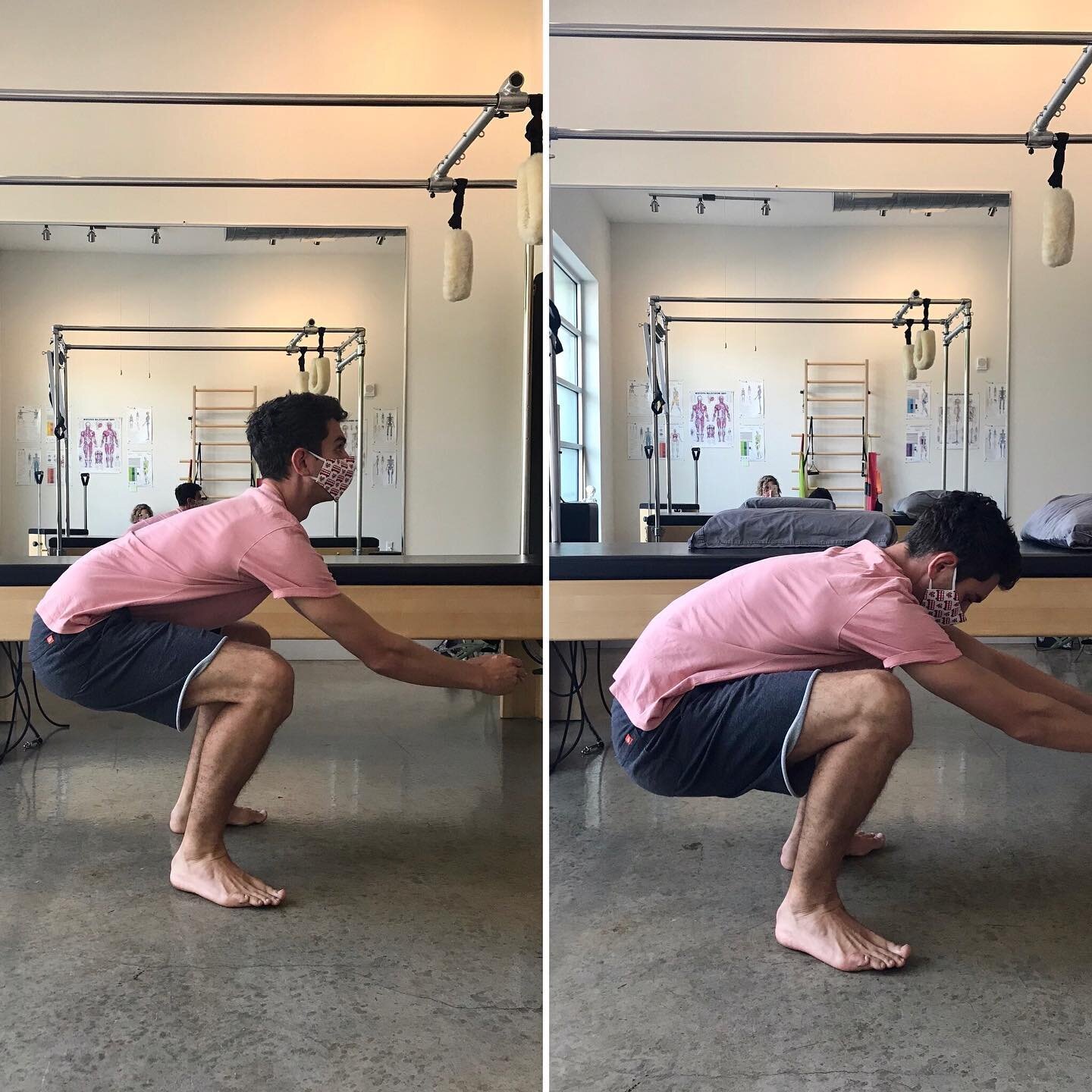
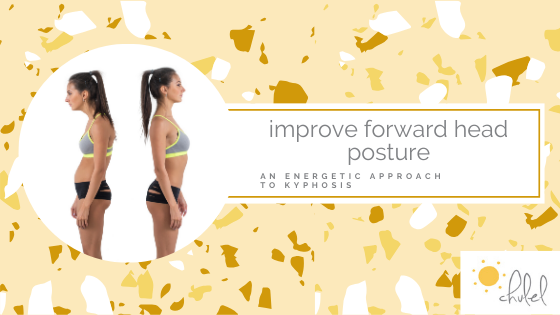
Some common suggestions for correcting forward head posture include simply moving the head backward, which I feel does more immediate harm than good. If the head is forward, the shoulders are usually rounded as well (aka kyphosis). So, shifting the head back with this type of body shape collapses the breath by cutting off air flow through the throat. Another 'fix' is bringing the shoulder blades together, which most people find by arching their mid back in a way that the spine is not shaped, generating a lot of unnecessary tension and/or pain in their back and neck. I find that apporaching alignment from an energetic perspective brings faster change without ticking off another part of the body.
How does forward head posture have an energetic connection?
As the head drops forward, there's also a fold at the diaphragm or solar plexus (where the rib cage splits). From an Eastern perspective, this is where the third chakra is located. This area represents our personal power and autonomy, our sense that we have volition and agency in our life.
What causes restriction at the third chakra?

Pretty much anything that compromises our ability to truly be ourselves and love ourselves. This can be events in our past and it can also be aspects of our present life. You may have not have grown up in a family culture of complete love and acceptance for your true self. Maybe you now feel burdened by responsibility and you're unhappy in your job/relationship/life. If this rings true, you may not feel like you have personal power or ability to change the parts of your life you're dissastisfied with.
Shame shuts off flow through the third chakra and limits our ability to fully embody our power. It wasn't until coming across Brene Brown's work several years ago that I realized how much shame I've held onto--I don't think I fully understood what that word meant before reading her book. Shame=all of the ways you don't feel like you're enough. For me this came in sneaky ways....maybe I didn't say 'I'm not attractive,' when looking in the mirror, but I did hold myself to a super high standard and compared myself to my percpetion of others. Shame lies on the other side of all of that because I could never be or do enough. Finding self-love has been a beautiful thing!
Some of us self-sabotage as a part of being constricted in this area. Maybe we put too many things on our plate and have a tough time saying 'no' to commitments. Others procrastinate and feel shame for doing so. Regardless of our personal habits, we can find ourselves in the midst of a big ol' shame snowball.
So how does all this connect to posture again?
Basically, forward head posture, just like everything else in the body, is more than just you looking at your phone too much. It's also a relfection of feeling burdened and not enough.
What helps?
The third chakra is located at the diaphragm, so doing more things to connect with your breath and lift through that space will help. Here's a video to help explain that in a seated position.
In addition to connecting with your breath, start noticing how you treat yourself. Do you belittle yourself or have a harsh inner critic? Do you take on more than you can reasonably accomplish without feeling stressed? How do you approach your responsibilities? Is there a way to visualize the best possible outcome over feeling overwhelmed?
Allow yourself to feel more over thinking. We value thought over feeling as a culture and that contributes to the head falling forward--we decapitate ourselves from the rest of the body. Taking a moment to feel and appreciate something in your day can show you how much power you already have.
And that's always a good place to start. :)
Latest Instagram Posts